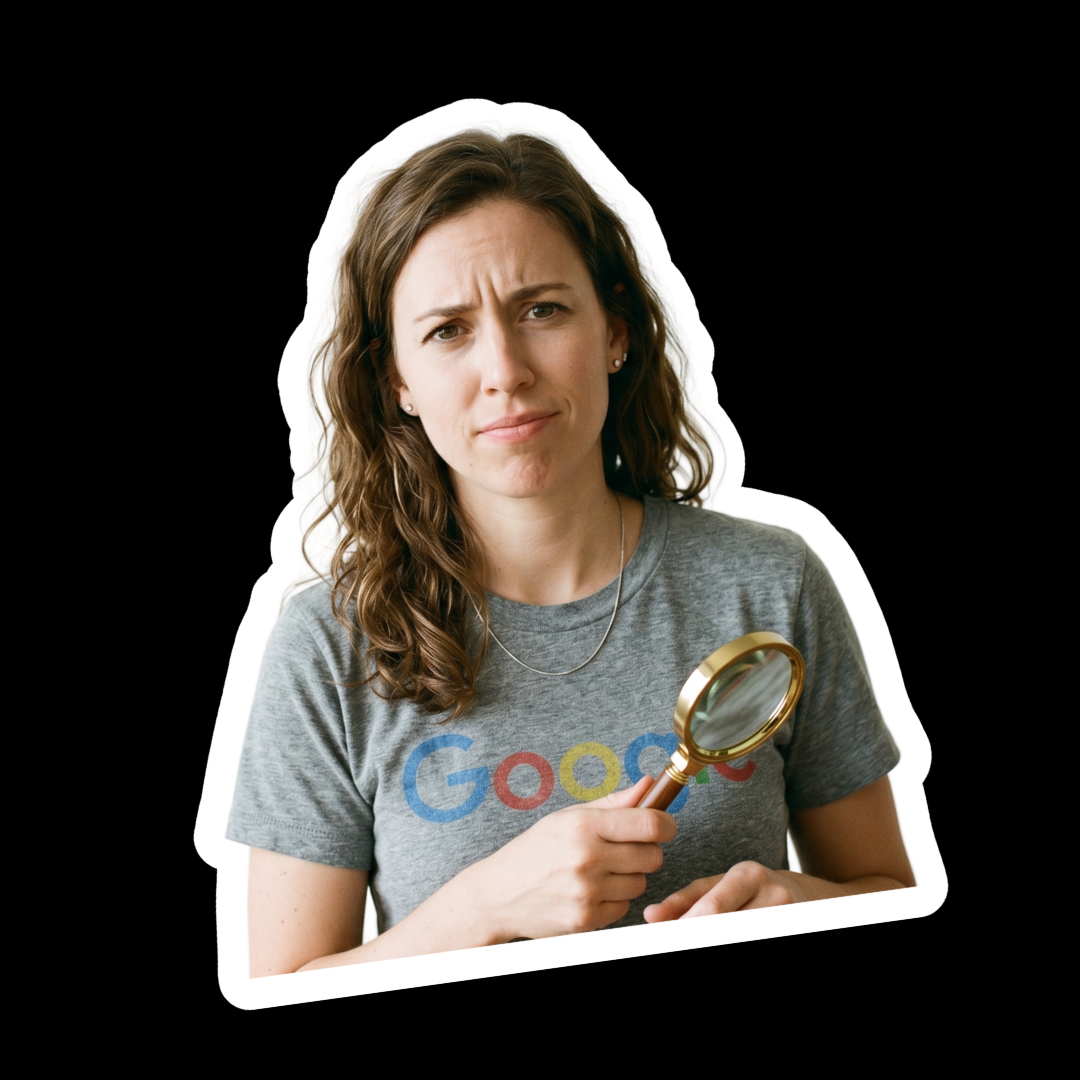



When Google first launched its AI overview feature, the instinctual response was panic. Traffic dipped, rankings shifted, and many SEOs scrambled to protect their visibility. Everyone was asking the same question: ‘is Google killing SEO?’
It’s been around two years since the introduction of AI Overviews, and over a year since AI Mode launched in the US. Since Google announced plans to expand its AI features even further, many industry voices have taken to LinkedIn, telling businesses to overhaul their SEO strategies in favour of AEO and GEO-focused approaches. Don’t listen to the noise.
Here’s what Google actually says: the signals that get you cited in AI Overviews are the same ones that get you ranked in search. Google’s own documentation on AI Overviews confirms that good SEO is good GEO and AEO (see Google’s guide on optimising your site for AI features).The bottom line is simple: there is no separate strategy. No new playbook. Just SEO done properly. Google isn’t killing SEO, it’s exposing weak SEO and rewarding strong SEO.
Staying visible in search starts with earning Google’s trust. If your SEO strategy isn’t built on that foundation, it’s time to rethink it. We’re here to break down what weak SEO looks like, how to build trust in a sea of AI-generated content, and what it takes to stay visible as search continues to evolve.
How AI mode is reshaping the user journey
The impact of AI mode cannot be overstated, as it’s completely overhauled the user discovery journey. Many users are now discovering sites in AI overviews as opposed to scrolling through pages in search results (though many will in the case of transactional and commercial searches). Now when a user types in a question, they receive synthesised snippets from various sites in response to their conversational queries. As a result, there’s often a reduced need to click through to the sources AI pulls from if their question has already been answered.
This is especially true for location-based queries – if you’re a local business, local SEO services remain a direct route to visibility through the map pack and local results that AI overviews don’t displace.
If the answers provided by AI fall short, or users want to dig deeper, they’re more likely to turn to trusted websites in the search results. However, with zero-click searches on the rise, appearing in AI Overviews is becoming the goal for many. So how do you achieve that? One word: trust. AI Mode draws from sources it deems trustworthy and authoritative, meaning thin, generic content simply won’t make the cut. AI isn’t replacing SEO, it’s raising the bar by rewarding sites with strong SEO and leaving weaker strategies behind.

What does Weak SEO look like?
Recognising weak SEO is essential for improving your visibility in search, but what does it look like? Weak SEO comes in many different forms, including:
- Thin content – If you have pages on your site that offer little value to your user, that’s a red flag. Content should be designed with the user in mind, which means offering valuable information, expertise and most importantly – answering the questions they’ve typed into search.
- Keyword stuffing – Keyword stuffing damages user experience, demonstrates a lack of authority, triggers Google’s spam signals, and hurts engagement and conversion rates. Content should build trust and feel like it’s written for humans by humans.
- Duplicate content – Duplicate content equals diluted authority. If you have multiple pages covering the exact same or very similar content, Google has no idea which one to rank, often resulting in Google picking one and ignoring the rest.
- Outdated content – SEO content is never a one and done endeavour (take a look at our Why SEO is Never Done, It’s a Moving Target article for further information), it requires regular monitoring and optimisation. If you have articles or pages on your site that include broken backlinks, outdated stats or information that is no longer relevant, that’s a surefire way to lose Google’s trust.
Now that we’ve established what weak SEO looks like, what constitutes ‘strong SEO?’

What strong SEO actually looks like
Rankings are heavily influenced by “trust signals”, i.e. signals that suggest a site is credible, safe and authoritative. To achieve this, you’ll need the following:
- Content that satisfies search intent – User experience should be at the forefront of everything you do. Engagement and conversion rates depend on the usefulness and authoritativeness of your content. Create content that aligns with what your users are searching for, and that answers all of their questions on any given topic. Users should come away feeling like all bases have been covered. By doing this, you’ll not only improve user experience, but you’ll demonstrate topical authority and trustworthiness to Google.
- Backlinks from trusted sites – Backlinks aren’t a ‘nice to have’, they’re integral to your site’s credibility. Backlinks act as votes of confidence for your site, showing Google that you are a source worth referencing. Focus on quality over quantity – it’s better to have a handful of backlinks from sites that are trustworthy and highly regarded, than a thousand backlinks from spammy, low domain sites.
- Demonstrated expertise (EEAT)– Google’s quality systems heavily reference EEAT (Experience, Expertise, Authoritativeness, Trustworthiness), especially in sectors such as health, law, safety and finance. Trust signals include articles written by expert authors (About Us pages are especially effective for this, as it shows users and Google the experts authoring the content), detailed author bios, first-hand experience (think case studies), and user testimonials/reviews.
- Consistent topical authority – Google favours sites that cover topics in depth. With this in mind, focus on creating content clusters, as this will improve user engagement, keyword coverage and internal linking authority. It will also demonstrate semantic relevance to Google, establishing you as an expert in your subject matter.

Trust is the new SEO
For a long time, the success of SEO was measured by two main metrics: visibility and rankings. Those metrics still matter, but trust trumps everything, and Google has said as much.
AI search is effectively auditing entire websites and asking:
- Is this a trustworthy, authoritative source?
- Does it have a clear, consistent identity?
- Is the content coherent, or are there posts and pages that have no common thread?
- Does it offer depth and expertise across a topic?
Sites that don’t pass that audit won’t get surfaced to users. That’s not a theory, it’s Google’s stated position.

How to stay visible in an AI-first world
The bottom line: your content needs to speak for itself in order to earn Google’s trust. That means creating content that is structured, accurate, informative, and establishes authority. The more authoritative your content (and overall website) is, the more likely you are to become a reliable source for AI search, enabling you to maintain long-term visibility and rank more consistently.
Here’s what you need to do:
1) Audit your existing content for trust signals – Go through your top pages and ask yourself: is the author clearly identified? Is the content still accurate? Does it go deep enough on the topic, or does it skim the surface? Thin pages don’t just fail to rank, they actively drag down the authority of your site.
2) Build topical clusters, not isolated articles – One well-written article doesn’t establish authority. A well-structured cluster of content that covers a topic from every angle does. Identify your core topics, identify the gaps, and build content that demonstrates genuine expertise across the board.
3) Earn backlinks worth having – Stop counting links and start caring about where they come from. One link from a respected industry publication is worth more than fifty from directories with low domain authority. Focus your outreach on sources that Google already trusts.

Stay visible in search with SQUIDGY
At SQUIDGY, we build authoritative websites that thrive in an AI-first world – and as a Newcastle SEO agency, we know what it takes to help local businesses stay visible. No buzzwords. No guesswork. No ripping up what already works. Just clear results from SEO done properly. Sound good? Let’s talk.

Words by: Amy Robinson
Amy Robinson is an SEO Executive here at SQUIDGY, based in Newcastle upon Tyne, helping businesses improve their online visibility through search engine optimisation, content strategy and technical SEO insights.