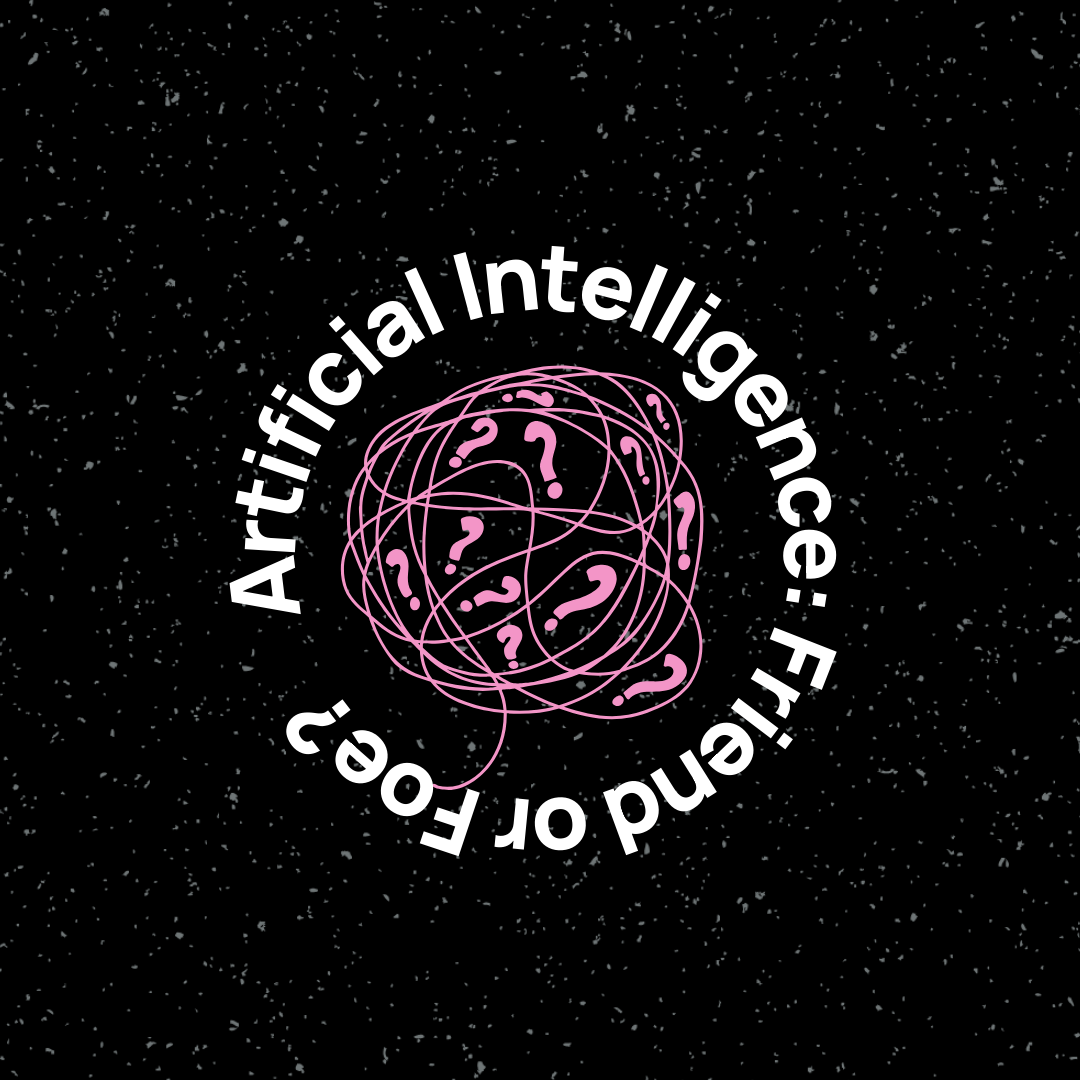



There’s a lot of noise in search right now. SEO. GEO. AEO. AI Overviews. Generative search. Answer engines.
Every week there seems to be a new acronym, a new optimisation strategy, or a new LinkedIn post declaring that everything we knew about search is dead. Frankly, I think you’re only human if you’re finding it increasingly difficult to tell where the SEO ends and the BSO begins (…bullshit optimistation).
But beneath all the acronyms, updates and headlines lies a much simpler question: what actually moves the needle?

Everyone Wants to “Show Up in AI”
More and more, the conversations we’re having start with some version of ‘I want to show up in AI’. And it’s a fair instinct – AI is clearly changing the way people find information, and nobody wants to be left behind.
But ‘show up in AI’ covers a lot of ground. Are we talking AI Overviews in Google? ChatGPT? Gemini? All of the above? And once you’ve answered that, the next question is why – what does appearing there actually mean for your business, and what does success look like?
That’s not a criticism. It’s understandable; search is evolving quickly, and AI is evolving even quicker. It’s just where most conversations begin, and it’s exactly the kind of thing worth unpacking before doing anything else.

AI Is a Tool. A Powerful One, But Still a Tool.
But one thing hasn’t changed: AI is a tool. A very powerful tool, admittedly. But still a tool.
It’s a bit like having access to a professional kitchen. You can buy the same knives, the same pans, and the same ingredients used by a Michelin-star chef. That doesn’t mean you’ll be serving Michelin-star food by Friday.
Or, if you’d prefer the golfing version (and I’m reliably informed some people do), buying a golf club doesn’t get you onto The Masters either.
The tools matter. The person using them matters more.

What AI Can Do, and What It Can’t
AI has made a huge amount of information accessible to everyone. Need keyword ideas? AI can help. Need content outlines? AI can help. Need technical SEO recommendations? AI can help with that too.
What AI can’t do is replace experience, judgement, and expertise.
Ask an AI tool how to improve your website and it’ll happily produce a long list of recommendations. Some may be useful. Some may be generic. Some may be based on incomplete information. Others may simply miss the point entirely.
The challenge isn’t generating a list of tasks. The challenge is knowing which actions are worth taking, which can be ignored, and what opportunities aren’t on the list at all.

The Fundamentals Haven’t Gone Anywhere
That’s particularly important now that we’re dealing with SEO, GEO, AEO and every other acronym that appears to be joining the search industry on a weekly basis.
The reality is that many of these concepts overlap more than people realise.
Despite the endless stream of new acronyms, the fundamentals haven’t suddenly stopped mattering. Authority still matters. Structure still matters. Useful content still matters. Understanding your audience still matters.
In fact, as we’ve discussed before in Good SEO Is Good AEO, many of the same signals that help content perform well in traditional search are the same signals helping it surface in AI-driven search experiences. The labels may have changed, but the core principles remain remarkably familiar. Google confirmed it.
The fundamentals haven’t disappeared. The environment around them has evolved. And that’s where expertise becomes even more valuable.

Somebody Still Has to Fly the Plane
Because while AI can generate a strategy in seconds, somebody still has to decide whether it’s the right strategy.
Somebody still has to prioritise actions. Somebody still has to implement changes correctly. Somebody still has to measure results, analyse performance, identify what’s working, and adapt when it isn’t. AI can draw the flight plan. Somebody still has to fly the plane.

And I Hate to Say It, But… AI Isn’t the Shortcut You Hope For
AI isn’t the shortcut many people hope it is. One of the most important points of all is that somebody has to find the time to actually do all of this. That’s often the part people overlook.
Could you use AI to build your own SEO strategy? Absolutely.
Could you learn technical SEO, content optimisation, search intent analysis, authority building, competitor analysis and performance monitoring? In theory, sure.
Could you also run your business, manage your team, deal with customers, and somehow find time to execute all of the above consistently? That’s where things become a little more challenging.
It’s the same reason many people hire accountants despite having access to accounting software. Or hire cleaners despite owning a vacuum cleaner. The tool exists. The expertise and the time required to use it effectively are separate things entirely.

How SQUIDGY Uses AI
At Squidgy, we use AI every day. We’re not afraid of it, and we’re certainly not pretending it isn’t changing the industry. It’s one of the ways our SEO company in Newcastle upon Tyne stays ahead of the changes rather than just reacting to them.
In many ways, it’s making us better. It helps us research faster, analyse more data, identify opportunities more efficiently, and spend more time focusing on strategy.
But it enhances expertise. It doesn’t replace it.
AI gives everyone a kitchen. The businesses that succeed won’t be the ones with access to the kitchen, they’ll be the ones who know what to cook.

Words by: Georgie Holland
Georgie Holland is an SEO Executive at SQUIDGY, based Newcastle upon Tyne, helping businesses strengthen their online presence through effective search engine optimisation and content strategies. Georgie writes about SEO best practices, organic growth and the latest developments in digital marketing.