


Let’s be honest, the modern customer journey is anything but straightforward. It’s non-linear, often confusing, and leaves you wondering if you missed an important step along the way.
One minute someone’s casually scrolling Instagram and sees your ad (they like what they see, but don’t buy anything yet). Next, they’re Googling reviews at 11pm in bed. Fast forward two days, and they click a remarketing ad and finally buy the thing they swore they “weren’t shopping for.”
And this is exactly why brands can’t put all their eggs in one basket (or worse, assume that awareness magically equals sales).
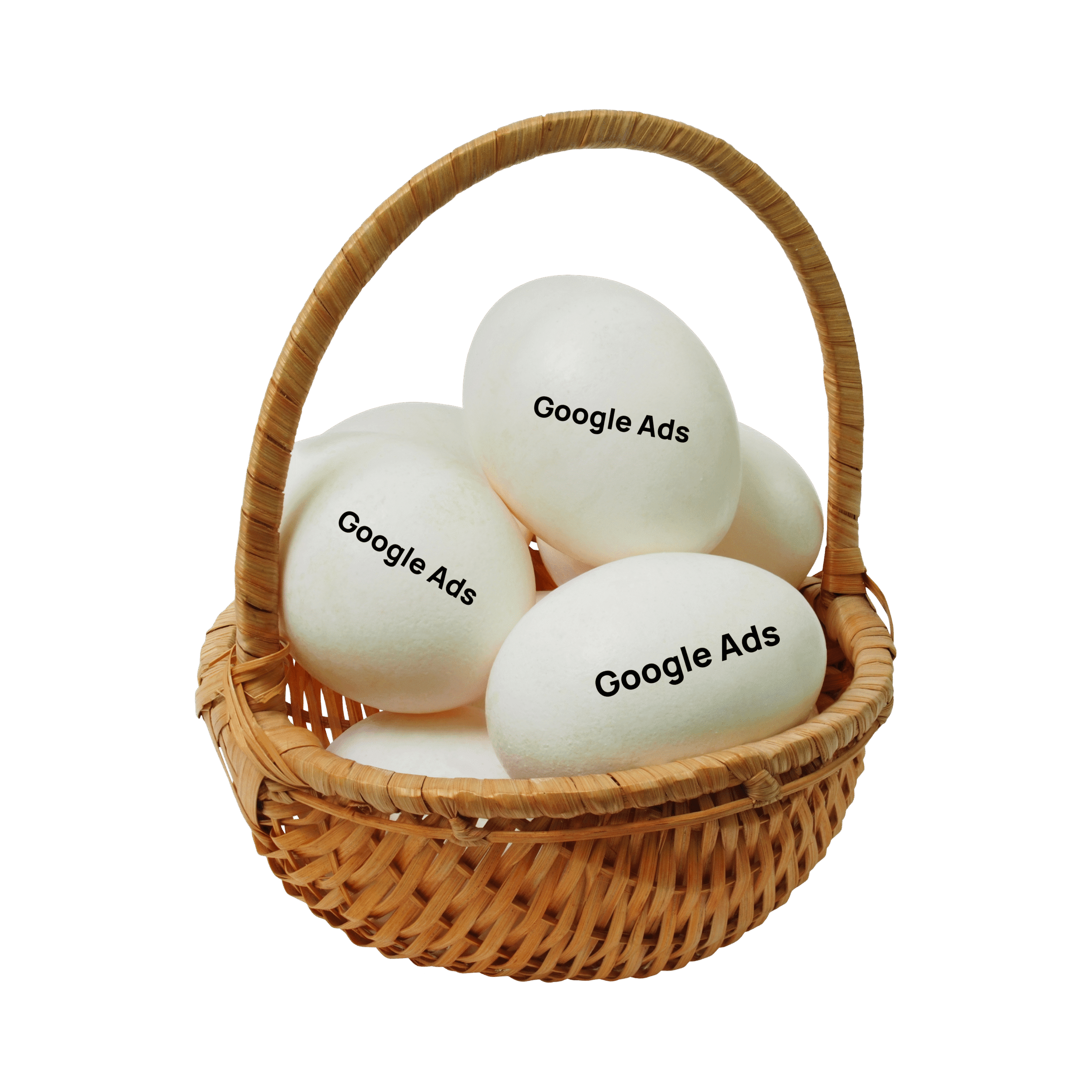
Then comes Paid Media, the driving force that keeps customers moving through the world of social platforms. The problem? Too many brands still treat paid social and PPC like they’re competing against each other, instead of realising they’re actually part of the same team. Together, they don’t just get results, they drive successful and sustainable growth.
Why Paid Media Keeps the Funnel Flowing
Here’s the reality…relying on one channel these days is like only ever charging your phone to 10%. It works for a bit, but eventually you’re stuck with no battery when you need it most.
Consumers often expect consistent visibility from your brand. Disappearing after an initial touchpoint on Instagram, only to reappear months later on Google, risks losing their attention and trust. If your brand isn’t present throughout the entire purchase journey, competitors will readily step in to fill the gap.
Think of it like this:
Paid Social sparks curiosity, tells your story, and introduces you to people who didn’t even know they needed you. Whereas, PPC shows up at the exact moment someone types in “best running shoes for bad knees” (or whatever they’re looking for) and helps them commit.
One creates demand. The other captures it. Without both, your funnel is basically half a funnel and that’s most certainly not a recipe for growth.
Paid Social vs. PPC: Same Team, Different Roles
Let’s clear this up once and for all, Paid social and PPC aren’t opposites. They’re essentially different tools working toward the same goal.
Paid social (think Meta, TikTok, LinkedIn), is perfect for building reach and planting the seed. It’s a storytelling tool, where your brand gets to spark curiosity and make a first impression. Then comes PPC, through platforms like Google, which comes in when someone is ready to commit. These users are already searching with intent, and PPC acts as the reliable closer that turns that intent into the desired conversion action.
And when they team up? Magic.
Picture this… Someone sees your ad while doom-scrolling Instagram. They don’t click, but your brand name sticks in their brain. A few days later, they Google something related, spot you in the results, and because you feel familiar now, they click and the conversion takes place.
How to Actually Make Cross-Channel Work
Here’s the catch: you can’t just run random ads on different platforms and call it “strategy.” That’s like throwing spaghetti at the wall and hoping it sticks.
The brands that succeed with cross-channel strategies are the ones that keep everything coordinated and aligned, so every element works together toward the same goal. Here’s how:
Retargeting: Don’t let someone’s first interaction with your brand go to waste. Follow up with ads or content across channels to keep them interested and moving toward a final decision.
Share your audience insights: Make sure the platforms aren’t working in isolation. Use what you learn from Paid Social to improve targeting on PPC, and vice versa. Smarter use of data means better results and less wasted spend.
Guided messaging: Guide people step by step. Start with awareness, then offer helpful content, and finish with messaging that encourages the desired action. Avoid repeating the same ad over and over.
Measure the right things: Don’t just focus on the last click. Look at the whole journey and track the metrics that matter. Engagement, conversions, and long-term value, so you understand the real impact of your campaigns through the entire conversion journey.
The Final Word: Stop Choosing, Start working together
For too long, brands have treated paid social and PPC as if one had to take priority over the other. But the reality is, they’re not competing, they compliment each other.
Paid social builds awareness and engages new audiences. PPC captures intent and drives conversions. Together, they guide customers smoothly from first discovering your brand to taking action.
Brands that get this right aren’t just achieving short-term wins, they’re setting the stage for long-term growth and stronger brand recognition.
If sustainable growth is the goal, stop viewing Paid Social and PPC as rivals. When aligned and working together, they create a seamless journey from awareness to conversion, covering all parts of the marketing funnel.

Words by: Amy Rowell
Amy Rowell is a Paid Media Manager here at SQUIDGY, specialising in paid search and online advertising. Amy shares insights on campaign management, audience targeting and maximising return on ad spend.